The short answer
To declutter your home, start with one small, low-emotion area and finish it completely. Sort everything into keep, donate, sell, recycle and bin. Work room by room in this order: bathroom, kitchen, wardrobe, living areas, kids' rooms, paperwork and finally sentimental items. Remove donations the same day.
Before you start
Decluttering fails when it becomes a whole-house project with no end in sight. Instead, pick one area, block out time and have five bags or boxes ready: keep, donate, sell, recycle and bin. Put your car keys on top of the donate box — donations should leave the house the same day.
The room-by-room order that works
- Bathroom: expired products, old make-up and duplicates. Quick, easy decisions.
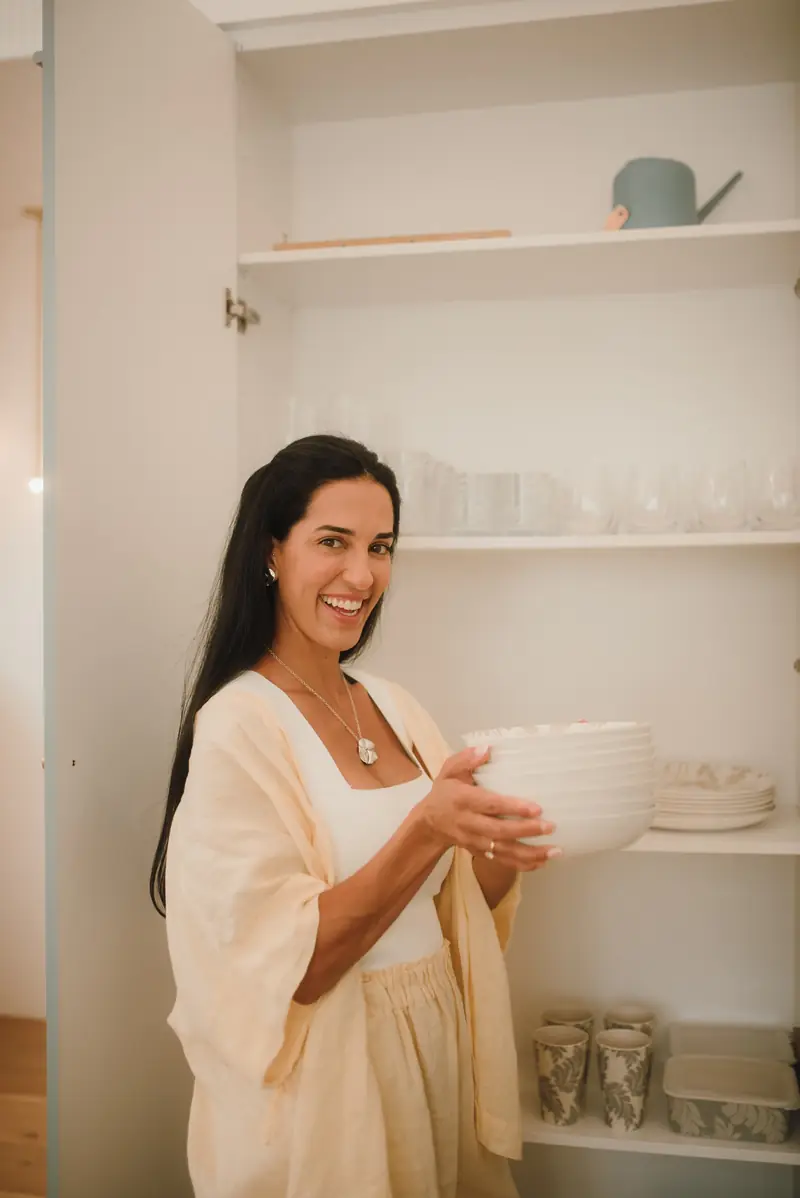
- Kitchen: duplicate utensils, chipped mugs, gadgets you never use and expired pantry food.
- Wardrobe: clothes that don't fit, aren't comfortable or haven't been worn in a year.
- Living areas: books, DVDs, décor and surfaces that collect everyday clutter.
- Kids' rooms: outgrown clothes, broken toys and duplicates — with older kids helping.
- Paperwork: shred, scan or file. Keep tax records for five years in Australia.
- Sentimental items: last, once your decision muscle is strong.
Five questions that make letting go easier
- Have I used this in the last year?
- If I lost it, would I buy it again today?
- Do I own something else that does the same job?
- Am I keeping it out of guilt or 'just in case'?
- Would someone else use this more than I do?
Handling sentimental items
Choose a set container — one keepsake box per person, for example — and keep only what fits. Take photos of items you love but don't need to keep physically. Children's artwork can be photographed and turned into a book at the end of each year.
Where to donate on the Gold Coast
Local op shops, charity bins and community groups accept clothing, homewares and toys in good condition. Check each charity's guidelines first. Electronics, batteries and paint should go to council-approved recycling points rather than general waste.
When to call a professional
If you've tried several times and stalled, if a move or new baby is coming, or if clutter is causing stress at home, a professional organiser can help you finish in a fraction of the time. Beyond Organized offers judgement-free decluttering on the Gold Coast, including donation drop-off.
Frequently asked questions
Where should I start decluttering?
Start with a small, low-emotion space such as the bathroom cabinet or a kitchen drawer. A quick win builds momentum for bigger rooms.
How do I declutter when I feel overwhelmed?
Set a timer for 20 minutes and focus on one shelf or drawer. Stop when the timer ends. Small, finished areas beat big, half-done projects.
What is the 90/90 rule?
If you haven't used an item in the last 90 days and won't use it in the next 90, it's probably safe to let it go. Seasonal items are the exception.

CPO accredited professional organiser and founder of Beyond Organized on the Gold Coast, with 12+ years' experience. More about Ive